From FishDog · Show all companies
Latest updatesNewest first
 Company perspective
FishDog argues that a human study is itself a measurement with design choices, not a perfect answer key. It discusses what this means when comparing synthetic and recruited research.
 Company perspective
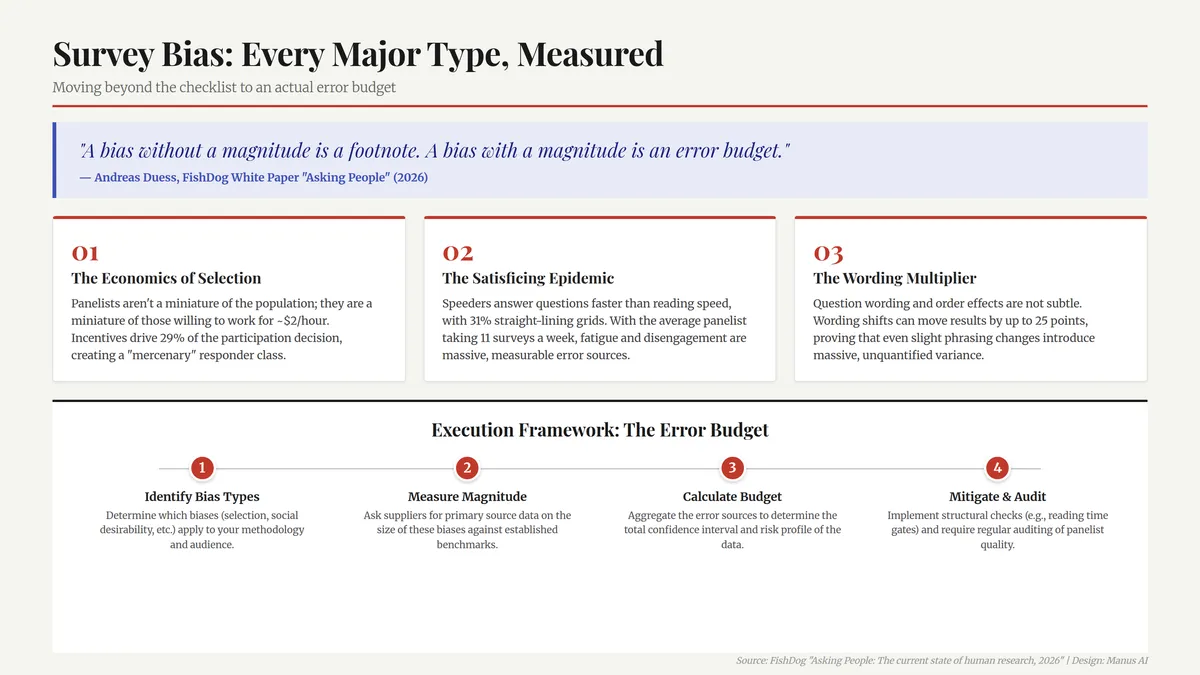
FishDog reviews different forms of survey bias and their implications for evaluating synthetic research. The article asks readers to examine how a reference study collected its answers before treating those answers as ground truth.
 Research
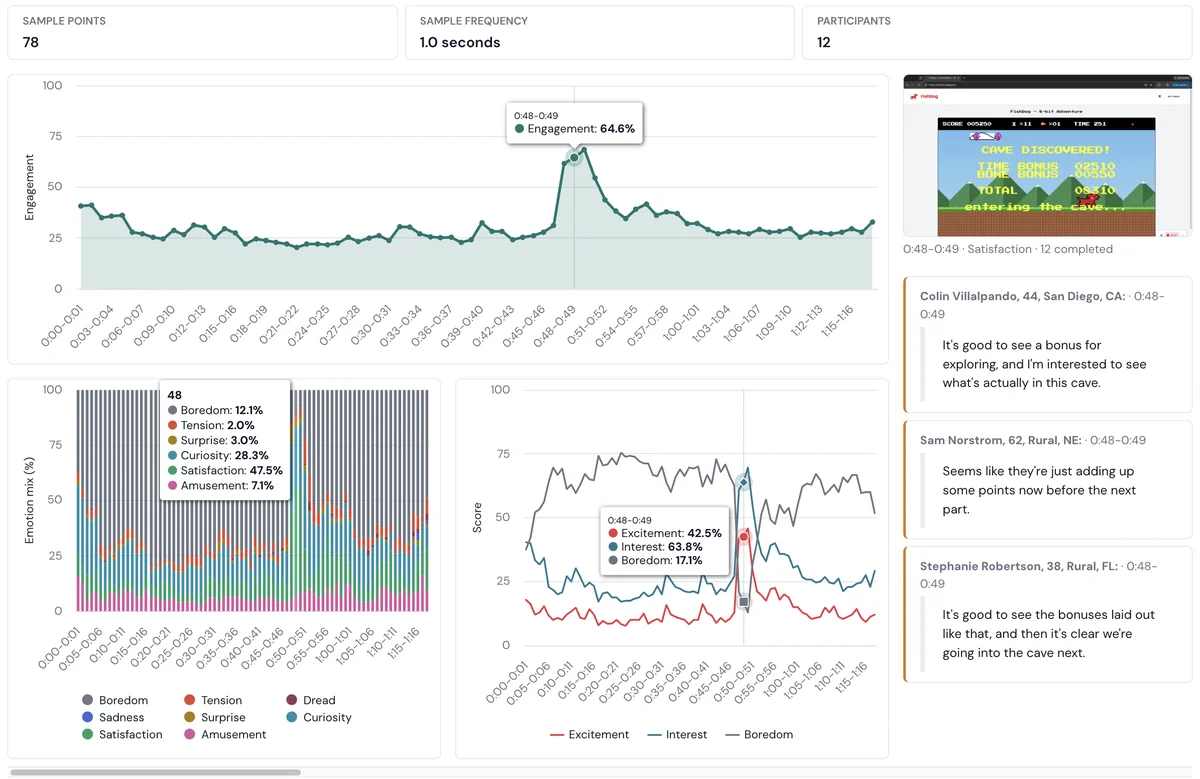
FishDog reports what happened when simulated viewers assessed a short game presentation. The example focuses on negative reactions and how the team used them to reconsider the experience.
 Company perspective
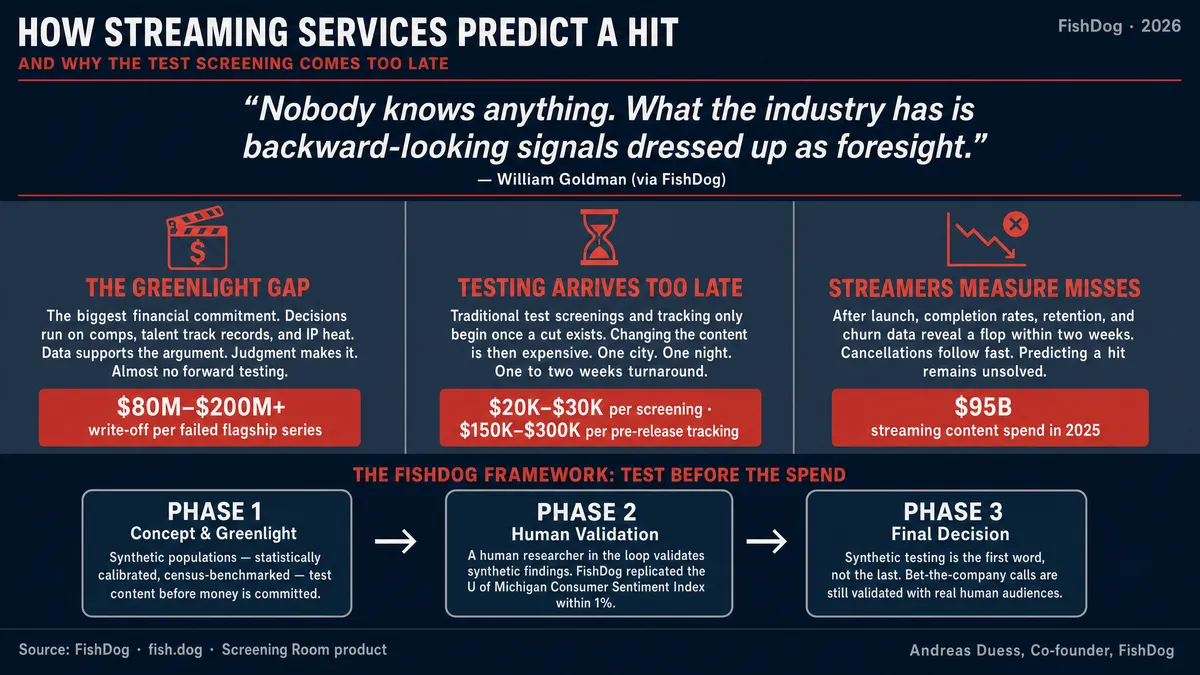
FishDog examines the timing of film and streaming-content testing. Its argument is that simulated screenings can help creative teams explore choices while those choices are still affordable to change.
 Company perspective
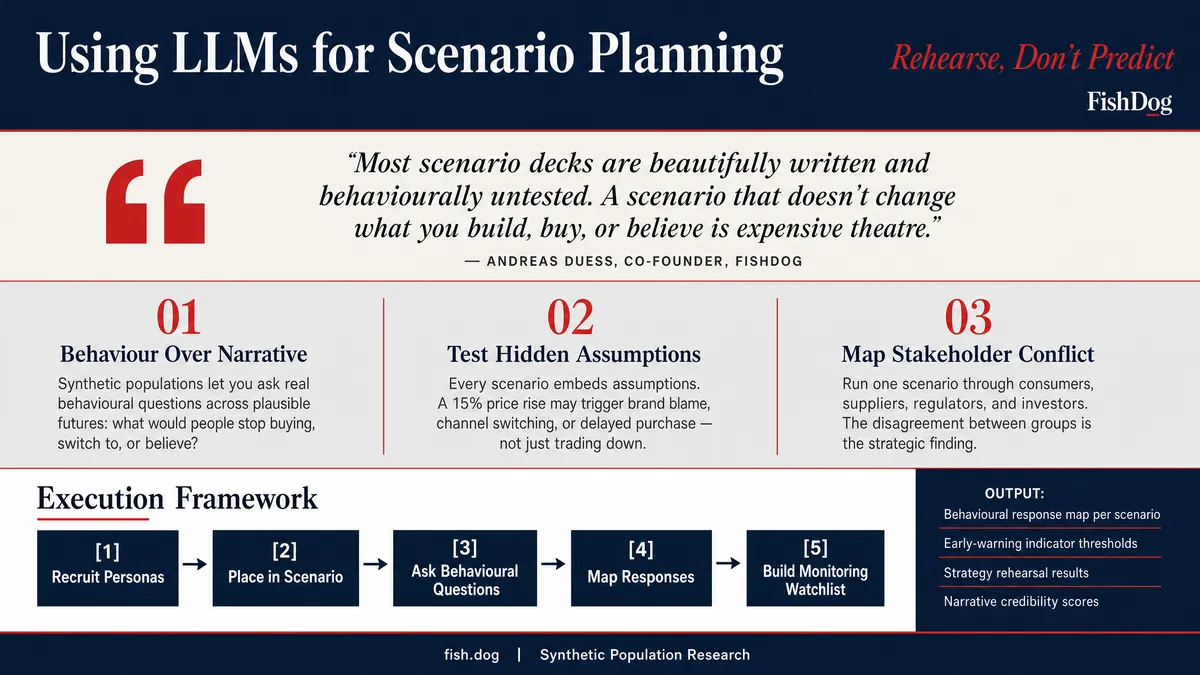
FishDog describes using language models to work through possible situations and responses. It distinguishes exploring a scenario from assigning it a reliable probability of happening.
 Company perspective
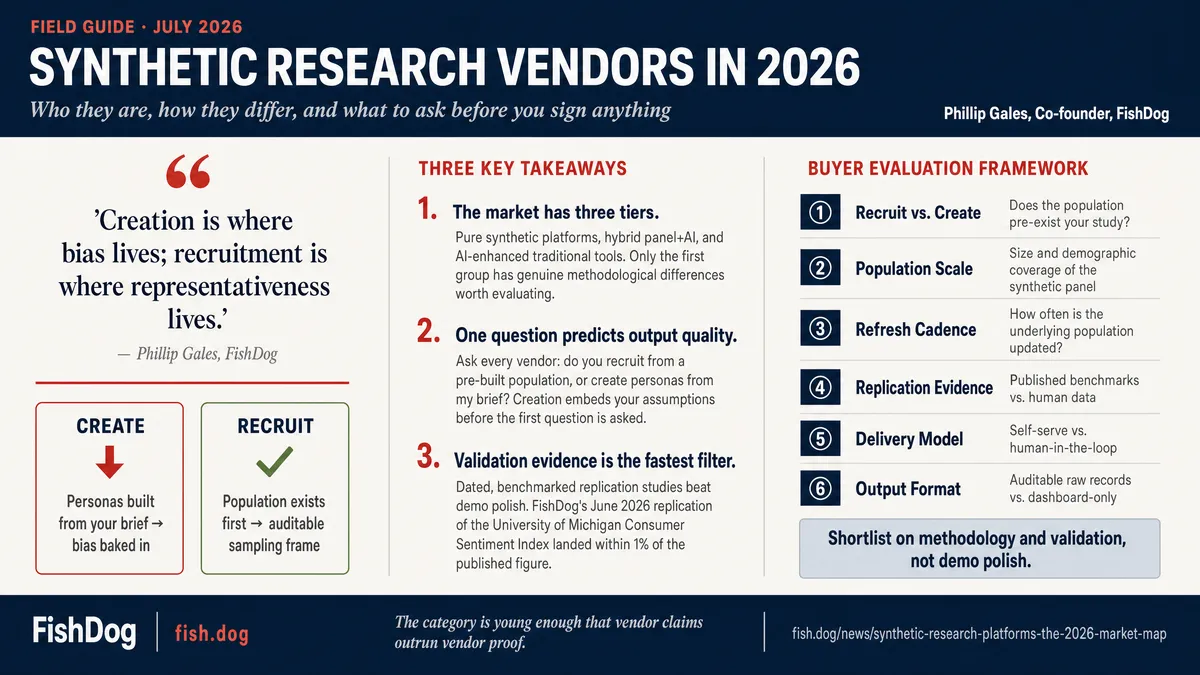
FishDog groups synthetic-research products by the jobs they perform and the ways they model audiences. The guide offers a vendor's perspective on questions buyers can take into product evaluations.
 Company perspective
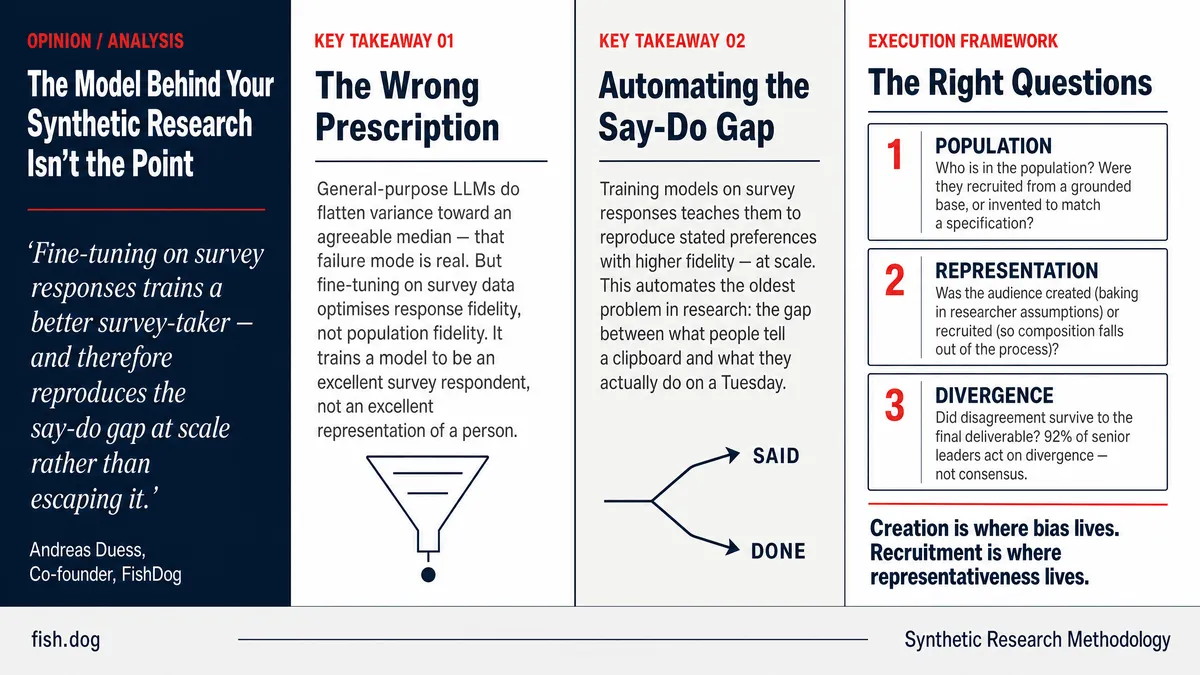
FishDog argues that the surrounding research system matters as much as its underlying language model. It discusses audience construction, study behavior and evaluation as practical buying considerations.
 Company perspective
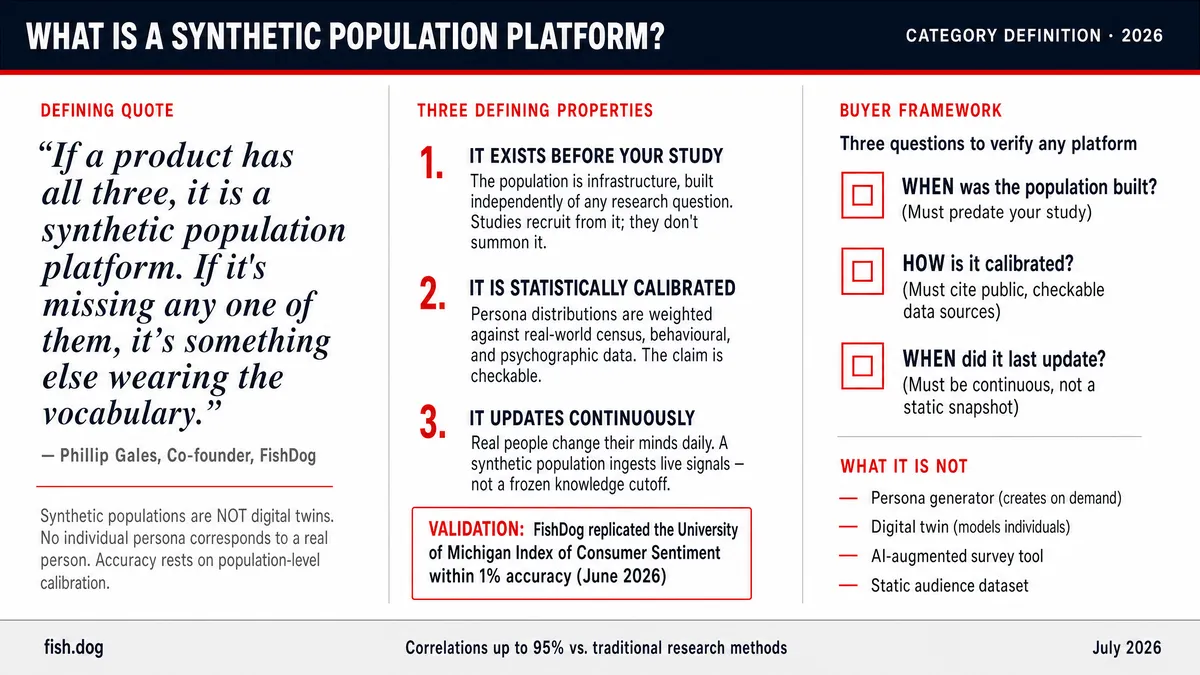
FishDog describes a population platform as more than a collection of isolated persona chats. It explains how persistent agents and group behavior can support different kinds of research questions.
 Research
FishDog describes calibrating its synthetic screening tool with well-known film scenes. The account explains the reference material it chose and how it used audience reactions to inspect the model.